Chapter 3: Hiking through China
Our adventures in China began with noodles, dumplings, and a full-bodied roasted quail. Food can be a way to the heart, as well as the stomach, of a culture, and there are fewer more accurate (or graphic) metaphors for the ruthless efficiency of China than watching a local demolish a bowl of scalding hot soup dumplings. It was through this lens that we explored the heart of Shanghai, sampling the local delicacies on a food tour with our enigmatic guide, Bill. Born during the Cultural Revolution, Bill vividly remembered growing up on Soviet rations, and provided a unique window into the rapid development that's occurred across China in his lifetime. He also happened to be our walking tour guide the following day, and led us through the (Former) French Concession, finishing at the birthplace of the Chinese Communist Party (which, ironically, is surrounded by huge capitalist franchises like McDonald's and Lululemon).
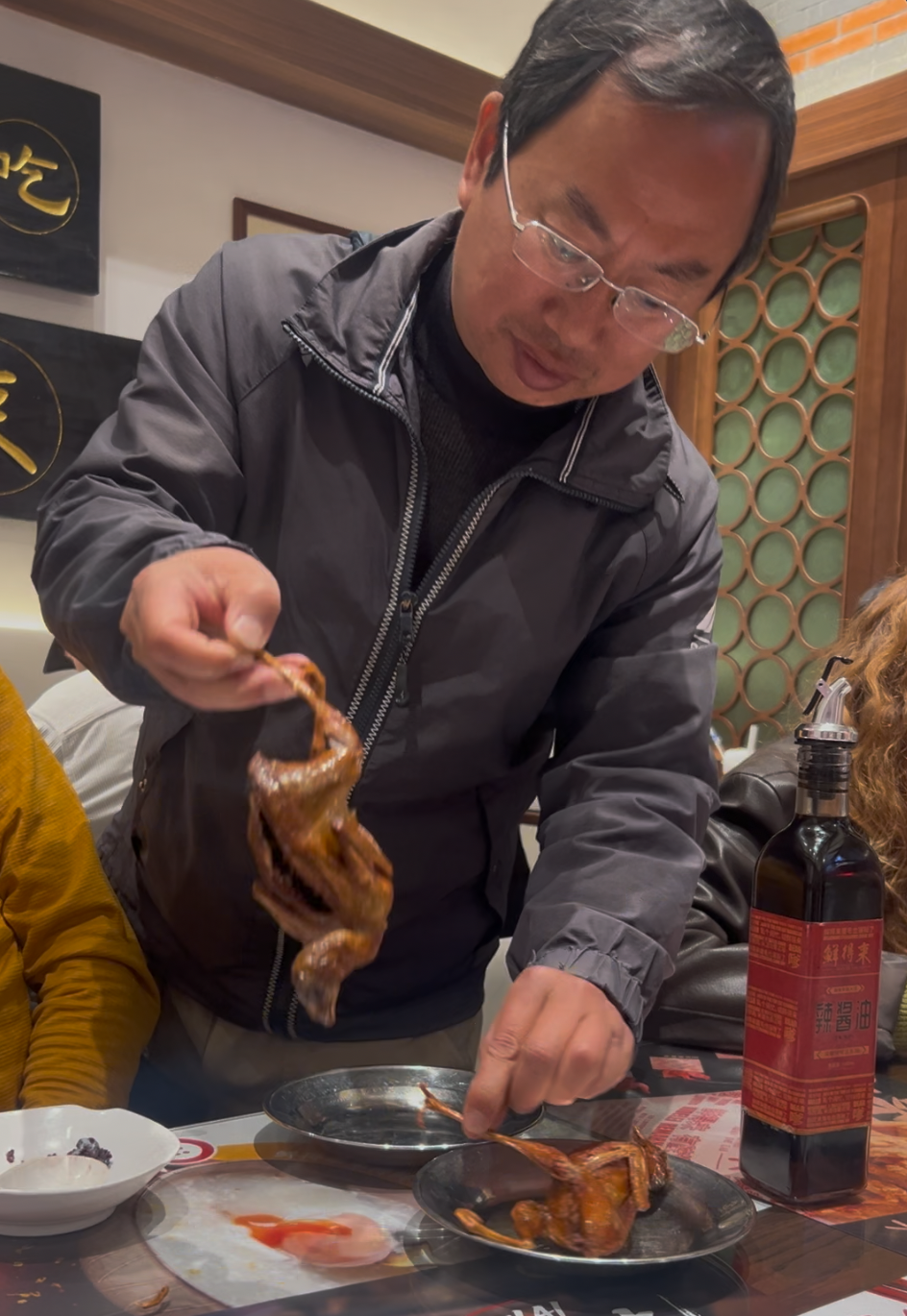
However, much to the surprise of most people we met during our travels, Shanghai was the only major city we visited, merely using it as a platform into Guilin and further into the Southwest of China, skipping the more typical tourist destinations of Beijing, Xi'An, and Chongqing. What drew us to China was the spectacular and diverse landscapes in the more remote parts of the country; none moreso than the mountains that inspired the landscape in James Cameron's Avatar: Zhangjiajie.
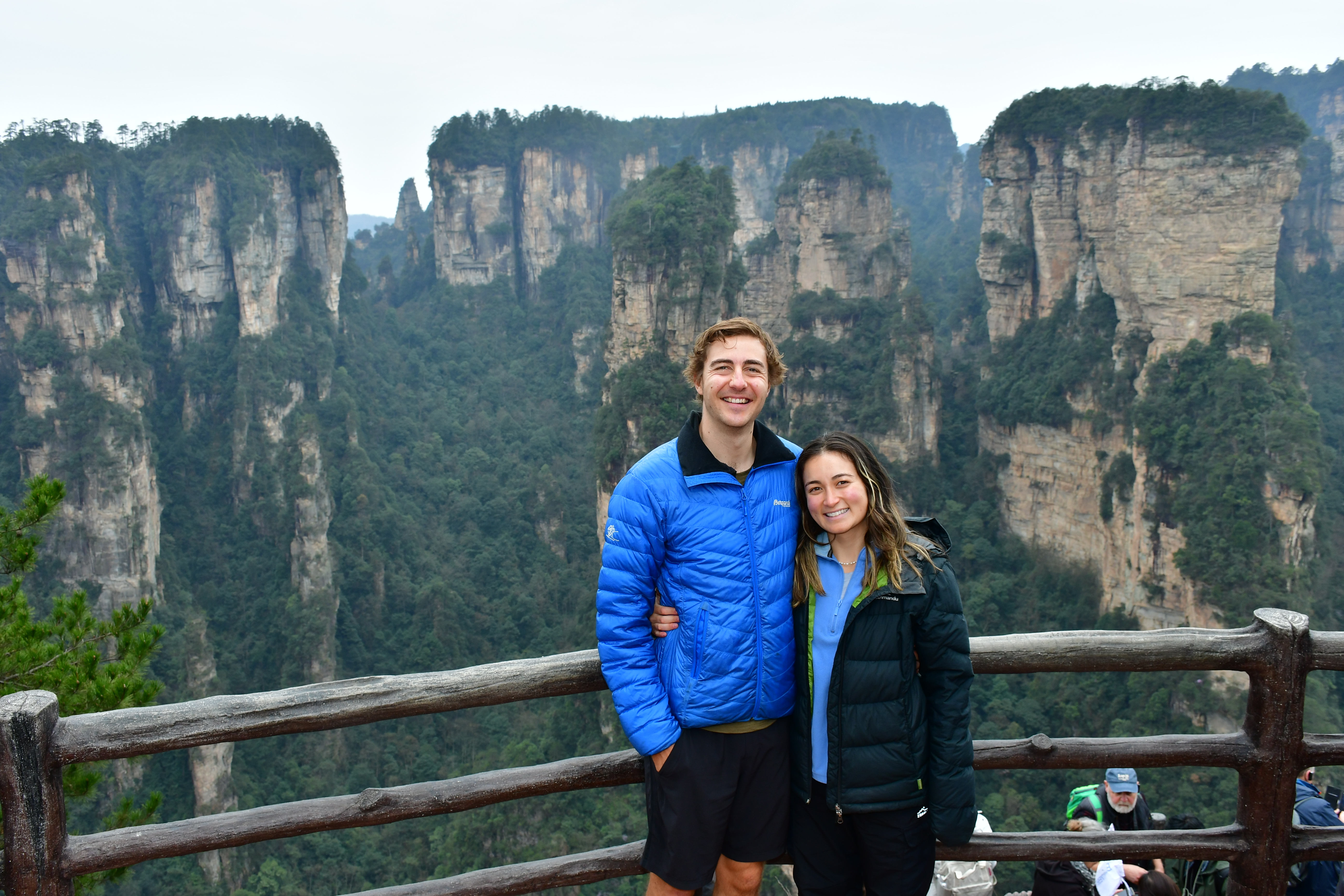
Also known as the Avatar Mountains, Zhangjiajie was the number one item on our bucket list for China. An extraordinary geological formation of towering limestone columns, it's especially magic on a misty day, when billowing clouds below create the appearance of floating pillars.
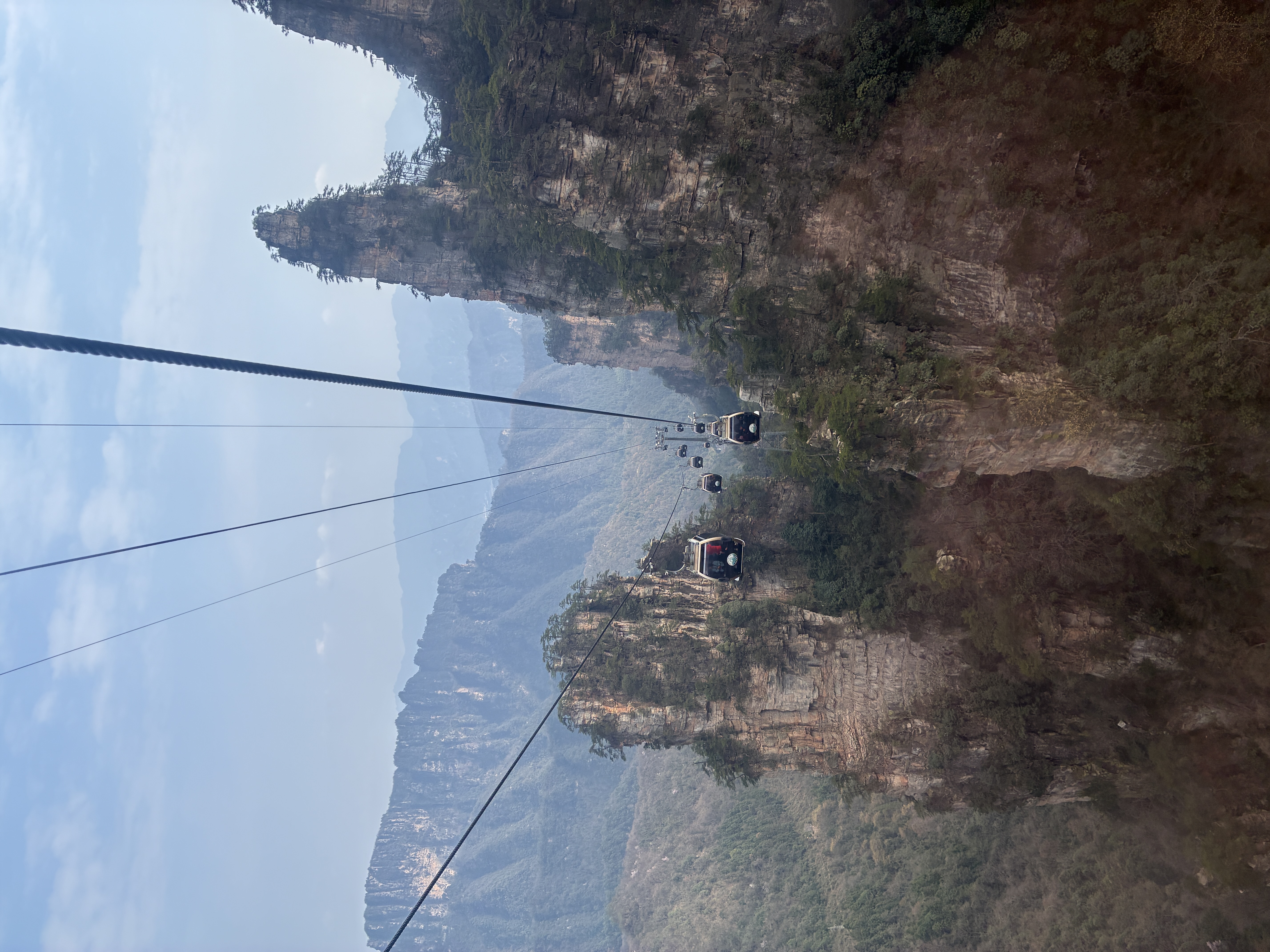
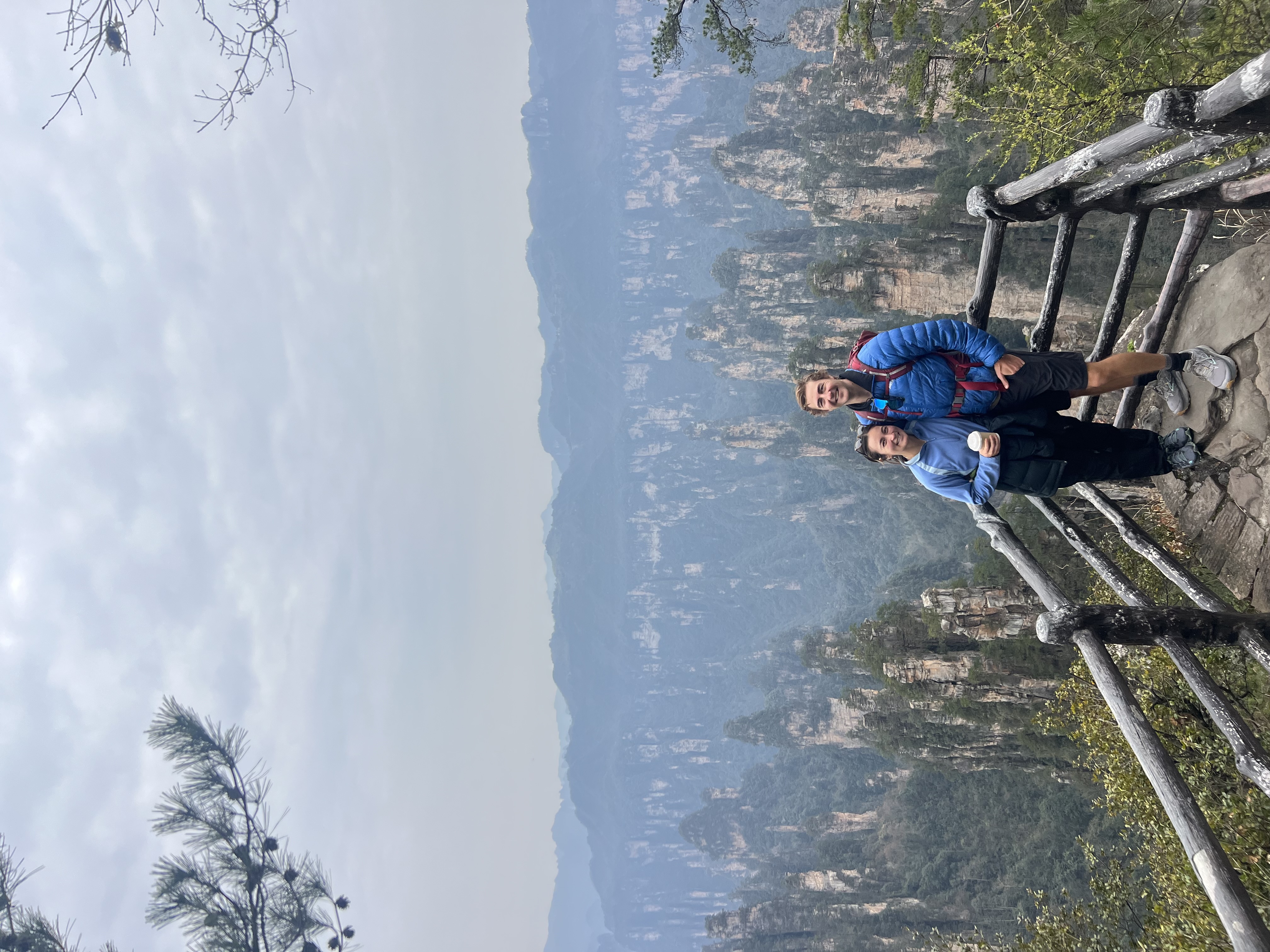
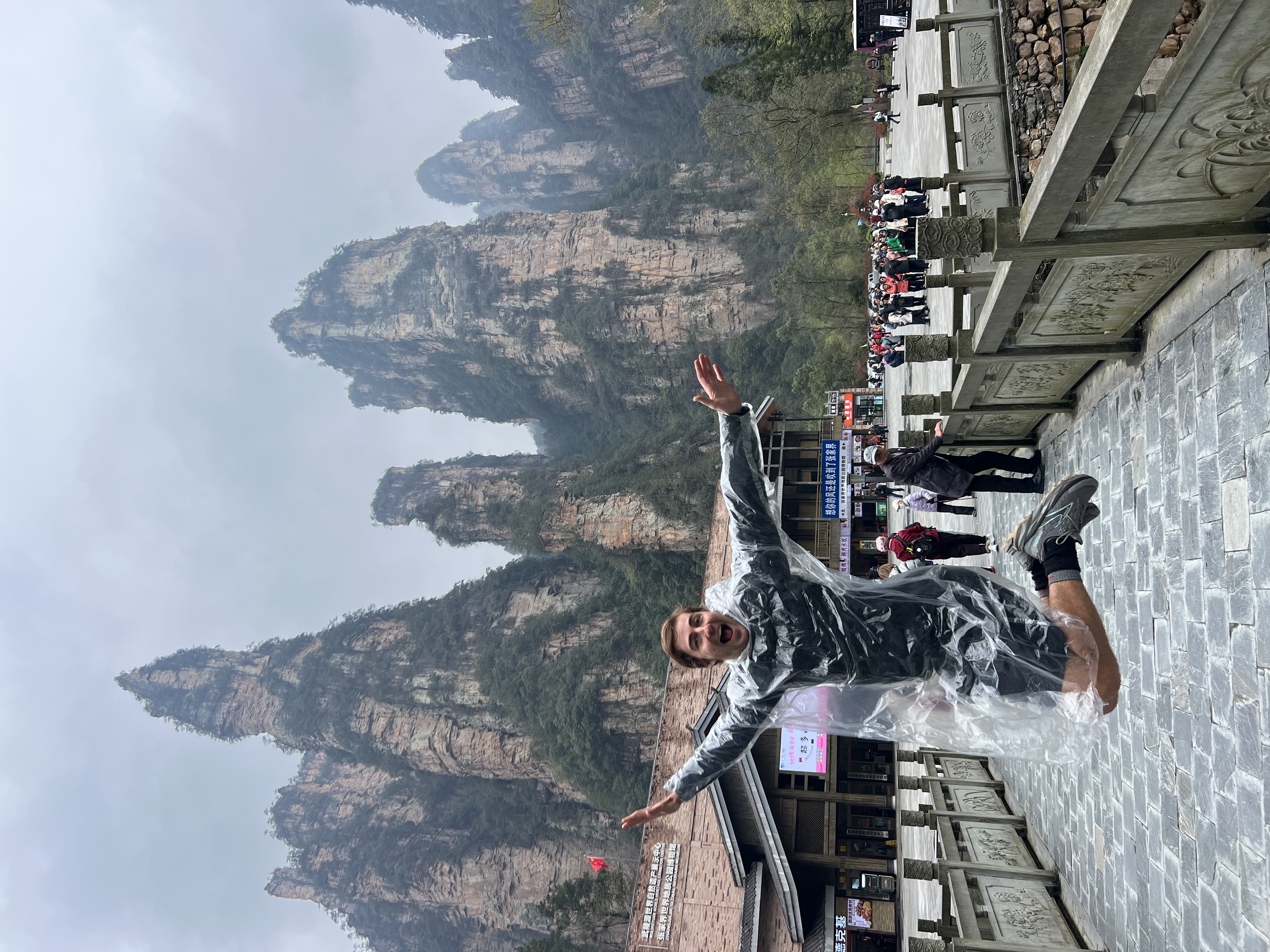
The infrastructure at Zhangjiajie is phenomenal, with buses shuttling us to the major attractions, and cable cars or glass elevators hurtling us to the top. However, this accessibility and convenience comes with major trade-offs. There were people everywhere - and we weren't even visiting in peak season! The dynamism of the photographing tourists — constantly shuffling to take a few snaps of the prime real estate, and then moving on — meant it was difficult to slow down and simply enjoy the landscape. What's more, it felt like this place of raw beauty was so developed, and for us, that marred its magnificence. There was even a McDonald's in the middle of the national park!
We stayed for five nights in Wulingyuan, a ten-minute walk from the major entrance to the national park. Our host was incredibly sweet; she enthusiastically pronounced "bú kèqì" with such vigour it came across like a great sneeze! 1
Besides visiting Zhangjiajie, one of the most worthwhile things to do is seeing the Charming Xiangxi Show; a cultural performance of folk songs, dances and acrobatic stunts, influenced by ancient cultural practices of the local ethnic groups. For the last act, they called for four male volunteers from the audience. Tash immediately and enthusiastically thrust up my hand, and I soon found myself up on stage. They quickly discovered - whether to their amusement or chagrin - that my understanding of Chinese was... limited. Thankfully, the MC was fluent in English, and translated for me. The four of us were to compete; quickly dressing in colourful, oversized cultural outfits and imitating a dance, all while trying to keep our enormous pants from falling down! In a sort of popularity contest, the crowd chose the winner by means of the loudest applause, and I was crowned the champion. My prize was getting "married" to one of the ethnic women!
Our experience at Zhangjiajie was greatly contrasted with two hikes we did elsewhere in China: the Longji Rice Terraces, and Tiger Leaping Gorge.
From Guilin, we bused to the sprawling rice terraces of Ping'an Village, in Longji. The terraces are beautifully maintained, and include lookout points named "Nine Dragons and Five Tigers", and "Seven Stars with Moon". The views were spectacular, though identifying dragons and tigers in the terraces might have required a glass or two of the local liquor.
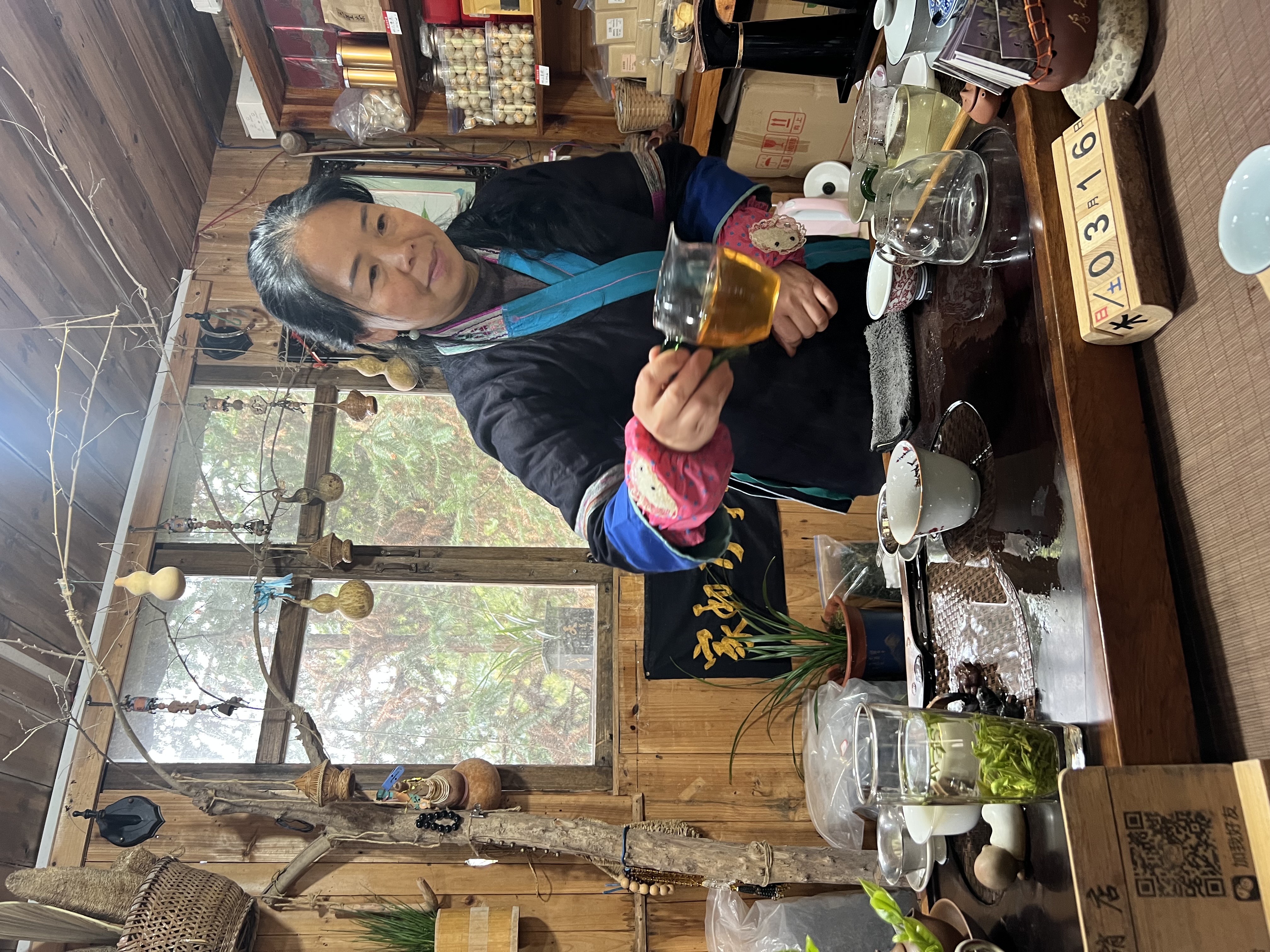
Upon climbing the carved stone stairway up to one lookout, we passed a beautiful tea house. After passing it on the way down, I felt a compulsion to go back, and have a cup of tea. Our timing was perfect; we sat down for a small tea ceremony with two American tourists and their guide, who was able to translate for us with the local Dong woman. We were fascinated to learn more about the process behind growing and preparing the teas, and purchased two beautiful cups from her.
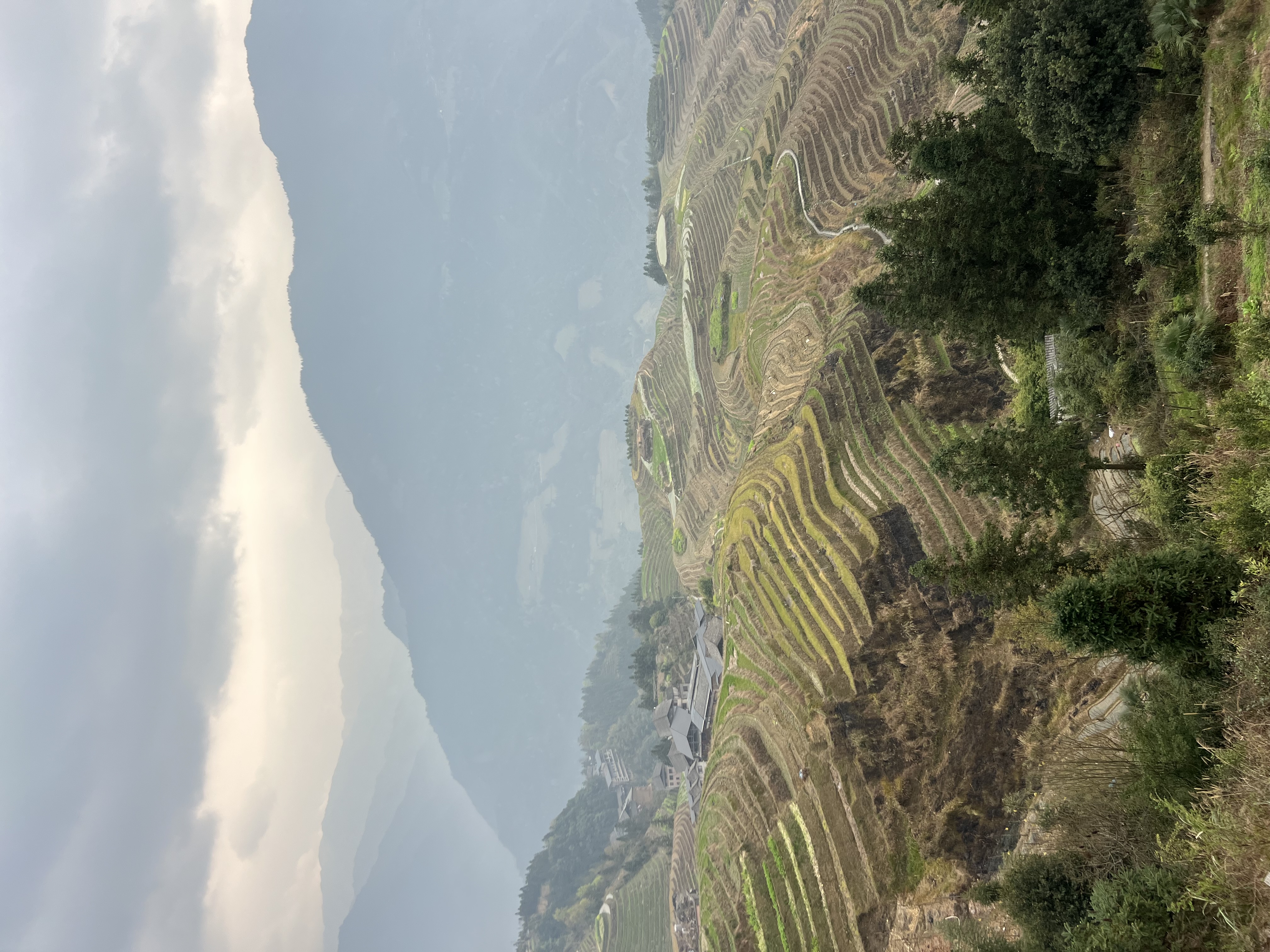
From Ping'an, we hiked across the rice terraces to Dazhai. We encountered many of the local Zhuang and Yao people, often identifiable by their colourful headscarves. Though we tried to communicate, they spoke a dialect distinct from Mandarin, and even Google Translate couldn't save us! Halfway along our hike we passed through a small village, on the lookout for lunch. There were very few people in town, but at one stage we passed a man carrying a plastic shopping bag. Conversation proved futile, but Tash enthusiastically gesticulated that we were hungry and he invited us to follow him. When trying to communicate our vegetarian preferences, Tash played charades and flapped her arms like a chicken (accompanied with vigorous bok-boks), followed by a big cross of her arms. It turns out, the man had been carrying a tomato, rice noodles, and tofu in his shopping bag. We pointed at the items, and his wife proceeded to make us a simple meal with those three ingredients - and it was delicious! The most remarkable thing was, even in this incredibly remote part of China, we were still able to pay via WeChat. Our negotiations were rather amusing - the wife was unsure what to charge us, and seemed to ask us how much we wanted to pay, slowly counting from 20 to 40 yuan. When we suggested 40 yuan, she then tried negotiating up to 60 yuan!
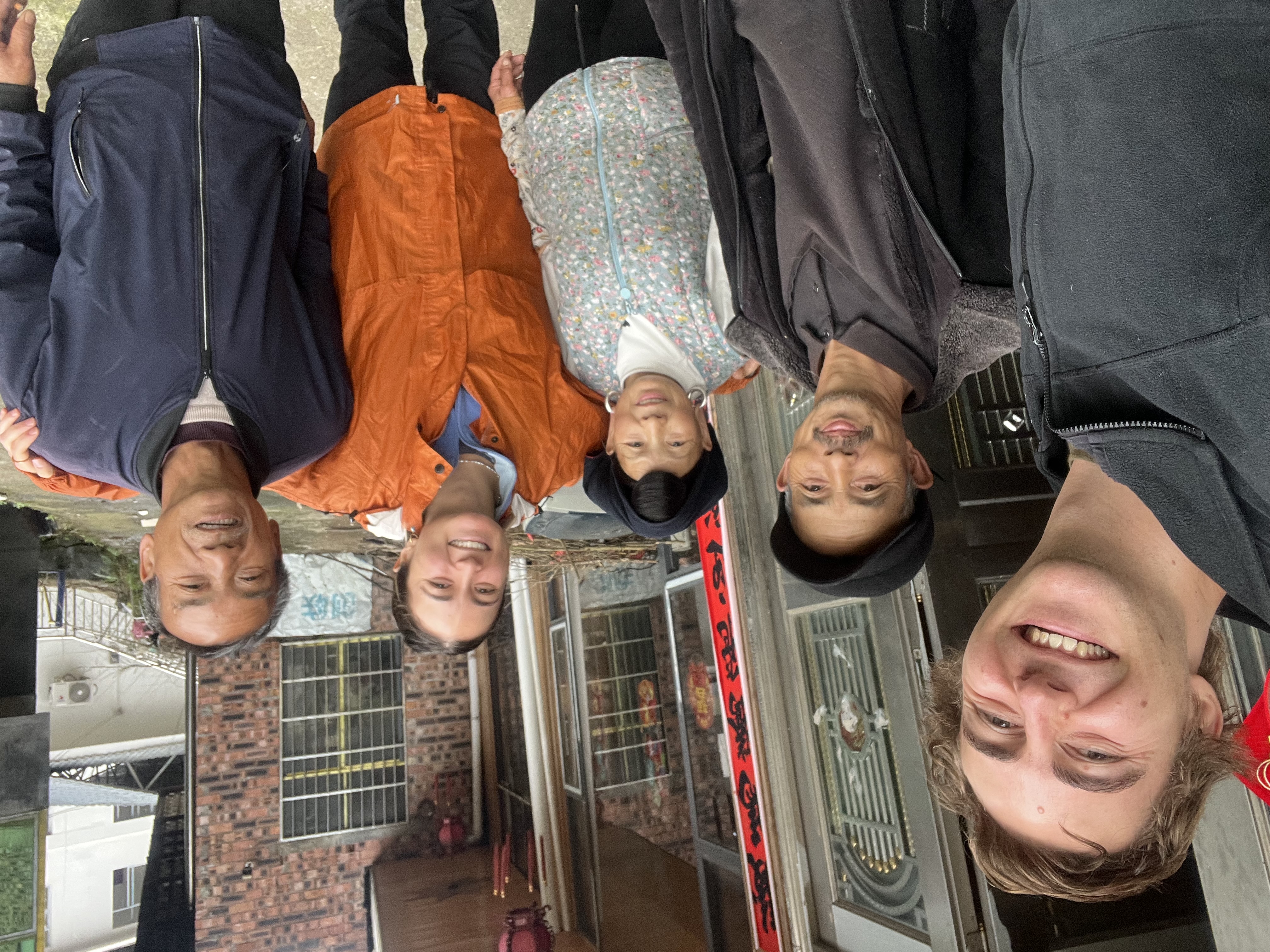
We arrived in Dazhai in the early evening, and though DiDi had suggested we could catch a taxi back to Guilin, we soon discovered this was false. We negotiated with a local man to drop us at the bus station to catch the final bus to Guilin for the night. We silently flew around the winding corners — it seems everyone drives electric cars, even in the most remote areas of China! When we arrived, we'd missed the final bus back to Guilin by 10 minutes. The people closing the bus station called the bus driver, who pulled over to the side of the road to wait for us. Our driver agreed to drop us at the bus, and hurtled through the traffic. We thanked him profusely, and sank into our luxurious bus seats in sweet relief.
Our final destination in China was the province of Yunnan. Unfortunately, we didn't get off to the best start. After a couple days exploring Dali, Tash and I both came down with a case of gastro. Though it passed through Tash fairly quickly, it wrote me off for a couple of days. To aid my recovery, I consumed a varied diet which consisted of as many permutations of plain white rice as I could find 2. One thing that lifted our spirits was receiving a package of flower cakes - a local delicacy - which had been organised by my colleague, Clara 3.
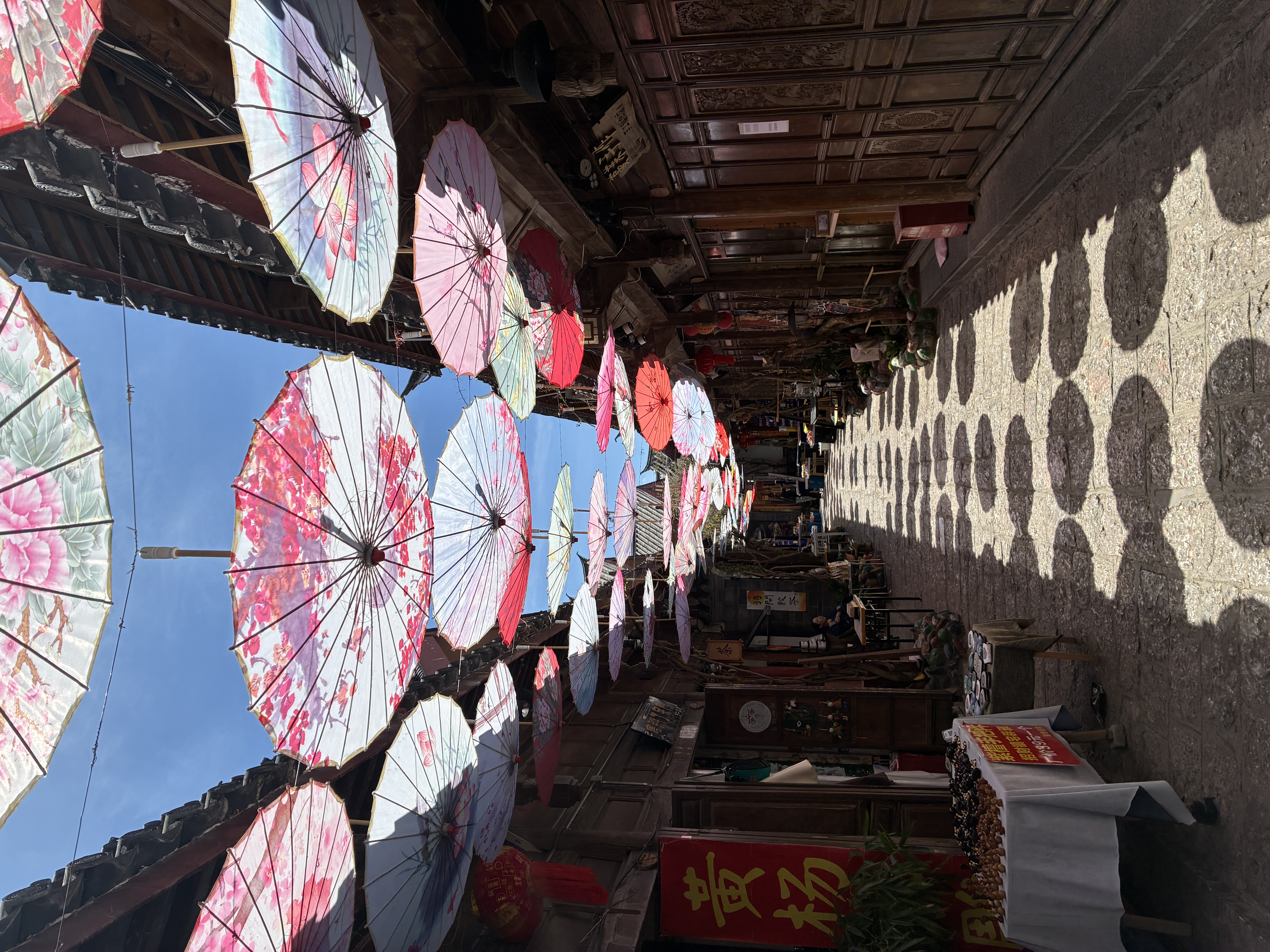
Just as I was recovering and we arrived in Lijiang, Tash was struck down with another, even worse bout of gastro - there was something in the air (or more likely, the water) in Yunnan! Thankfully, Tash made a speedy recovery, and we forged ahead with our plans to hike through Tiger Leaping Gorge.
Tiger Leaping Gorge was our greatest highlight in China. Our ascent began with the infamous 28 bends. Slowly but surely, we powered up the zigzagging switchbacks, as the views into the valley expanded. Across the valley rose the jagged mountains, reaching towards the clouds, while the river thundered below us. The gorge derives its name from a local legend: a tiger, fleeing a hunter, is said to have leapt across the river at its narrowest point, landing on a rock mid-stream before springing to the far bank.
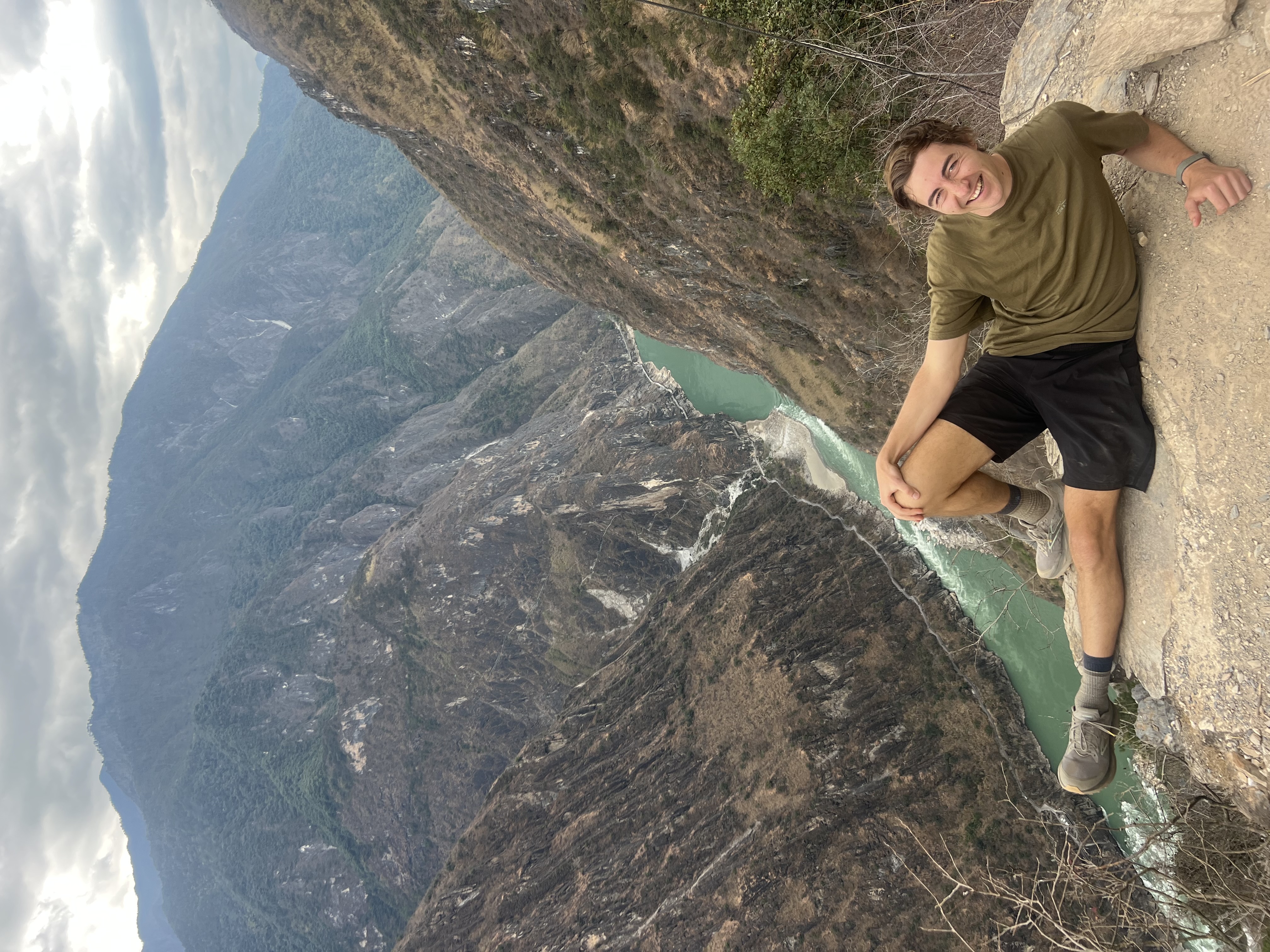
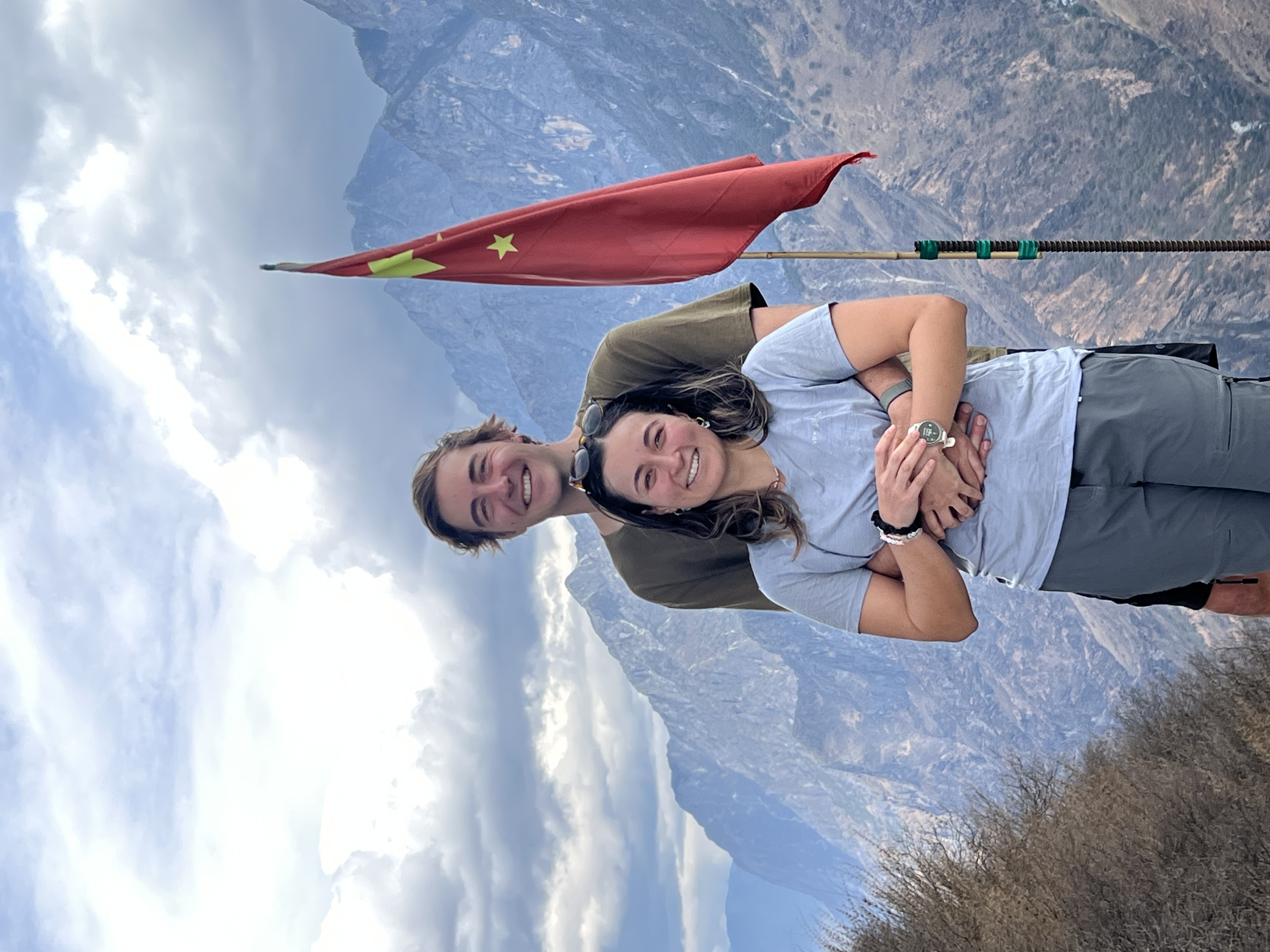
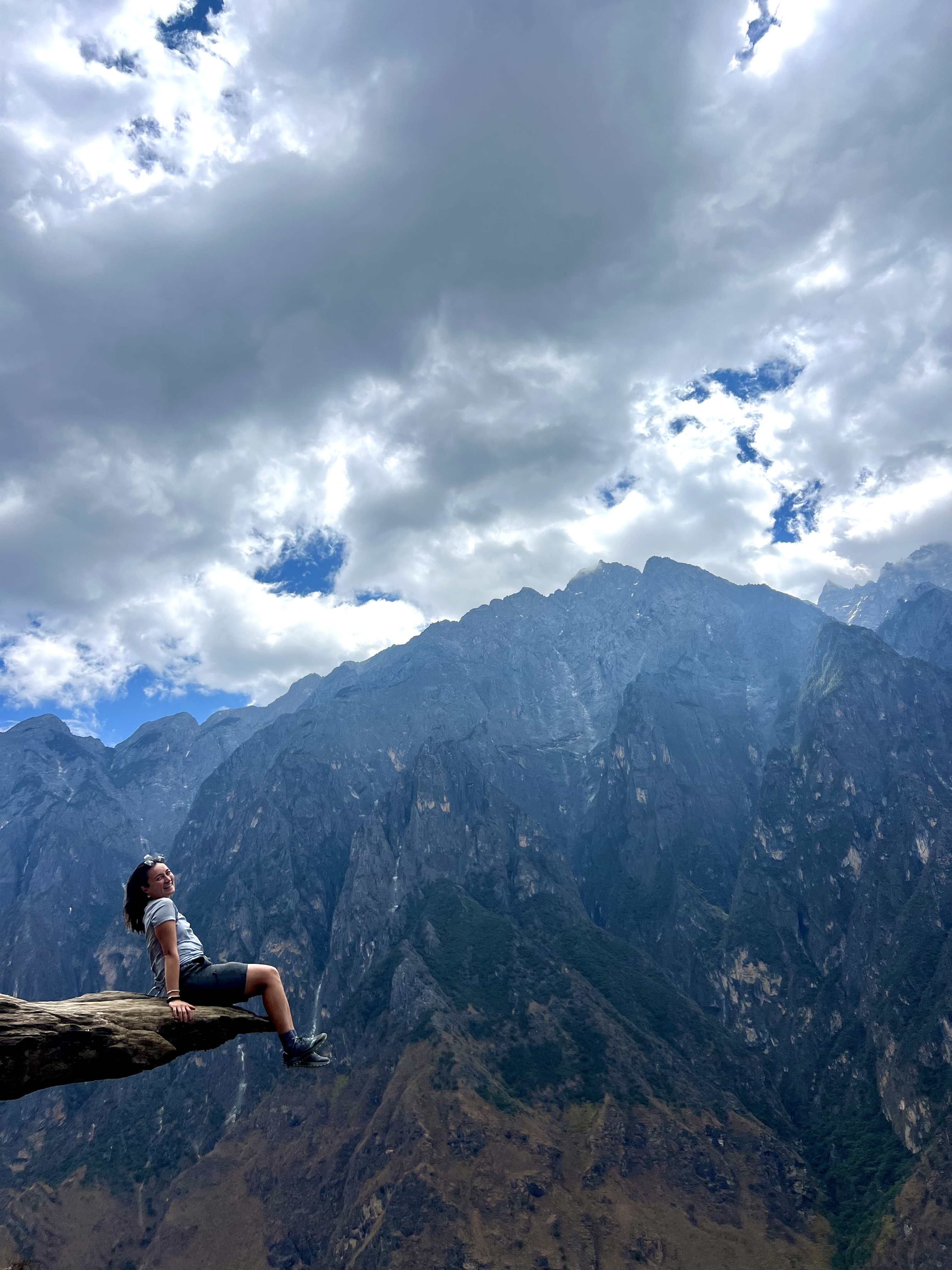
Along the way, we encountered local "street" vendors set up along the path in tiny canvas shelters, selling freshly roasted potatoes and sweet potatoes. Again, even in the most remote parts of China, they still accepted payment via AliPay or WeChat! There were no tiger sightings, though we befriended many of the curious mountain goats across the path, who happily chomped on the caramelised remains of our sweet potatoes.
Along the track, we got chatting to a sweet English couple, Harry and Sally. Naturally, we had to ask when they met. They had moved to Shanghai eight and three years ago respectively, and were teaching English at local primary schools. Despite living nearby, they'd only met the year before, on holiday in Cambodia. We got chatting over lunch, and exchanged details before parting ways. When Tash checked Sally's Instagram later, we discovered that Harry had proposed shortly after lunch!
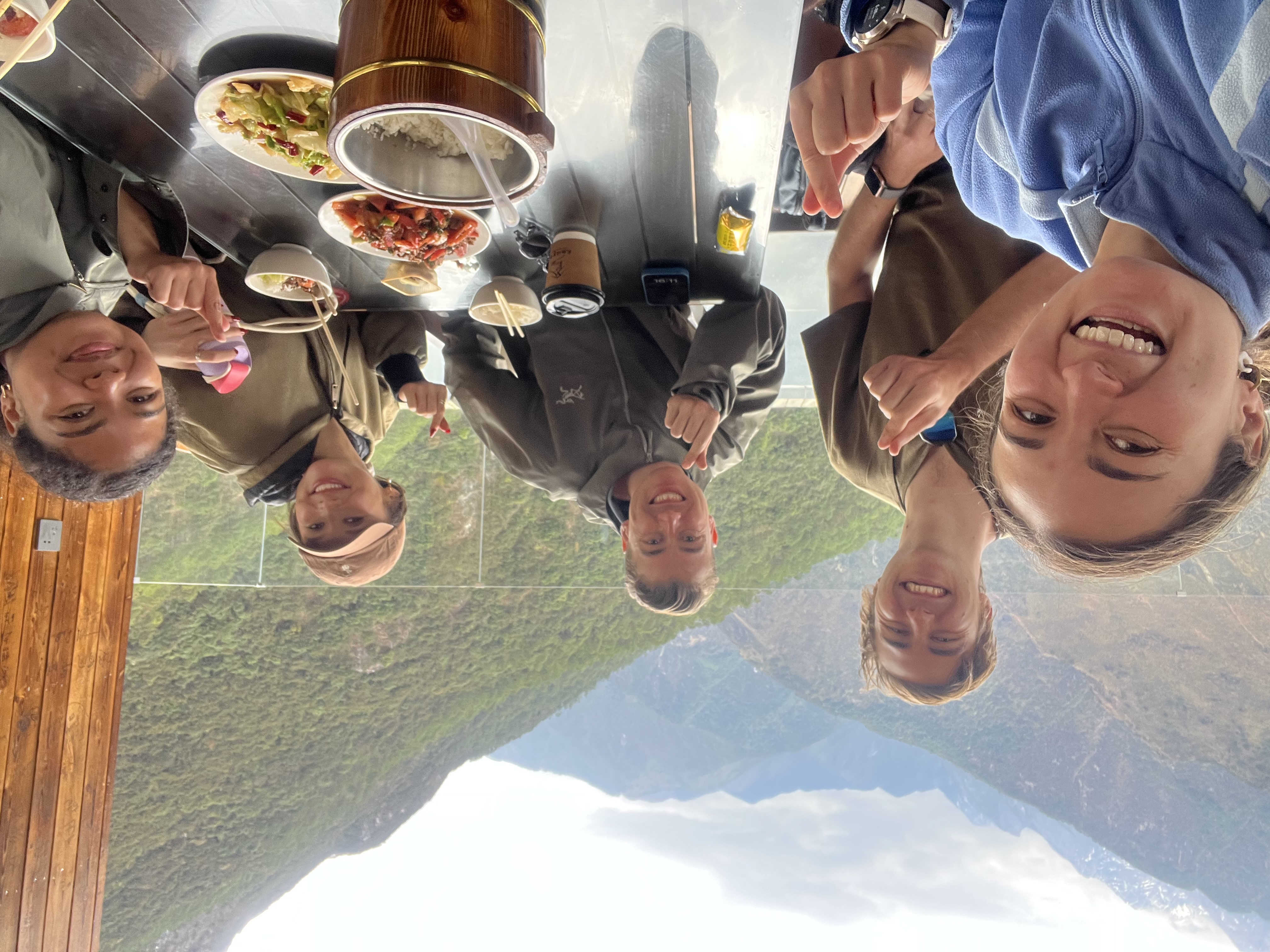
We were initially unsure how to approach our travels in China. Did we need a guide? Should we book a guided tour? How difficult will the language barrier be? It turns out, there was no need to worry. China was fairly easy to navigate, given we had downloaded and set up the essential apps in advance: WeChat, Alipay, and AMap. We used WeChat and Alipay for practically everything; they have a series of micro-apps that do everything from paying for public transport to organising tickets to Zhangjiajie. It was a wild experience to only ever pay with our phones, even in the rice terraces of Longji, or the mountains of Tiger Leaping Gorge.
Food was one of our greatest challenges. As two vegetarians, our meatless options were... limited. We consumed some variation of rice, tofu, and fried vegetables approximately 95% of the time. Tash demonstrated no apparent connection with her Chinese heritage, with far less tolerance for the local diet than I had! When we arrived in Dali, we were stoked to find a small vegetarian restaurant with the most delicious mushroom burgers. We ordered two of them, and came back the following day for three more. Whether or not it was related, that was when our real troubles began...
Finally, we were pleasantly surprised by the warmth and friendliness of locals. We'd heard numerous stories from friends and family who'd travelled to China in previous decades and had rude and unpleasant encounters with the locals, not to mention the spitting! While not everything has changed — we still saw plenty of spitting on the pavement — a fellow tourist on our food tour said he'd come back to China every ten years, and it's changed dramatically — both economically and culturally — every time he's visited. We hardly scratched the surface in our month exploring China, and we loved it; I suppose we'll just have to come back and see how much it's changed, and hopefully in less than 10 years!
Check out our trip on Polarsteps to see more.
Stats
- Tigers spotted: 0
- Paid with cash: 0
- Got married: 1
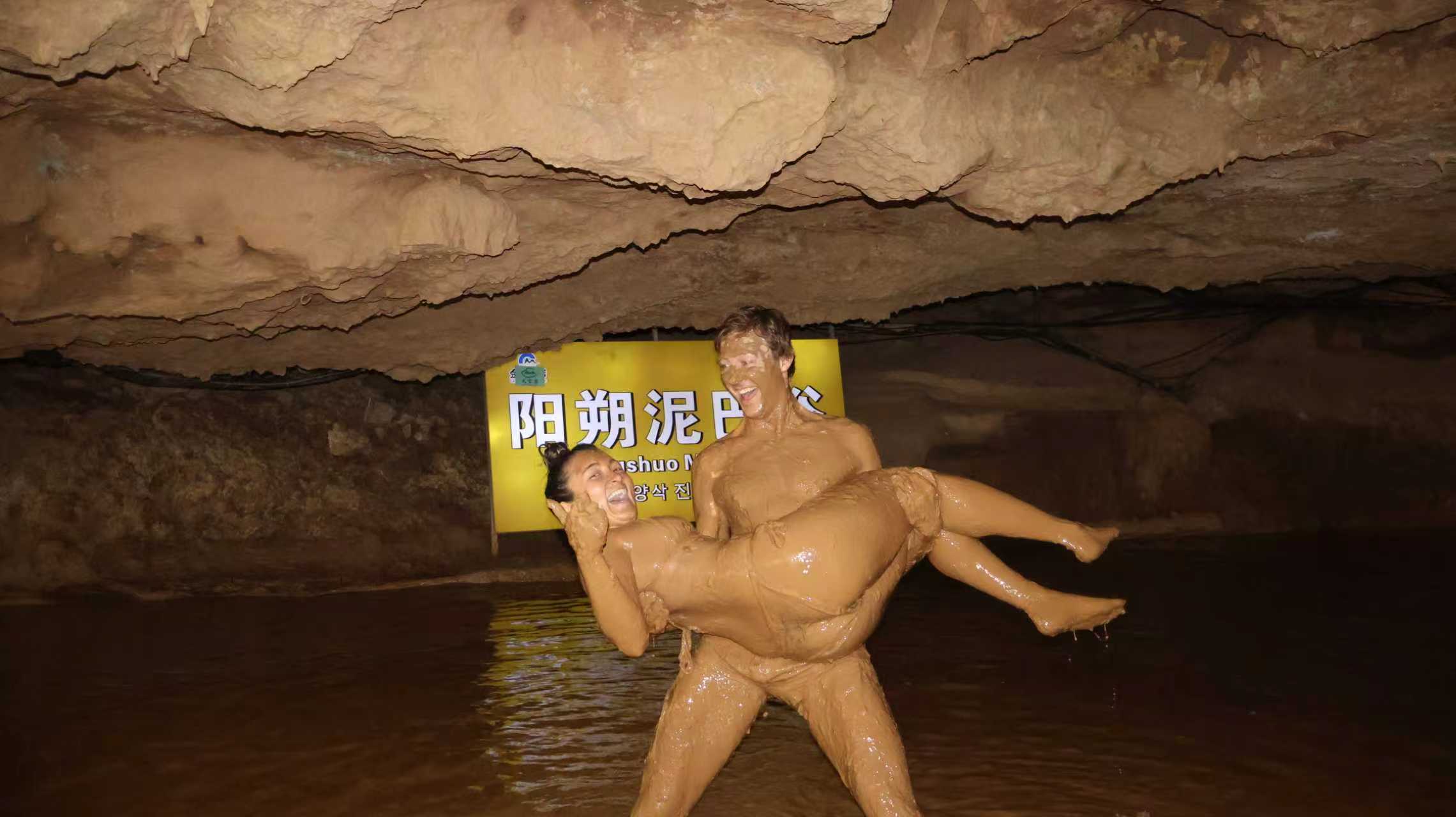
- Mud baths: 2
- Had gastro: 3
- Mushroom burgers: 5
- Flavoured hot springs bathed in: 12
- Mountain goats befriended: 20
- Cups of tea: 50
- Bowls of plain white rice: 1,000,000+